
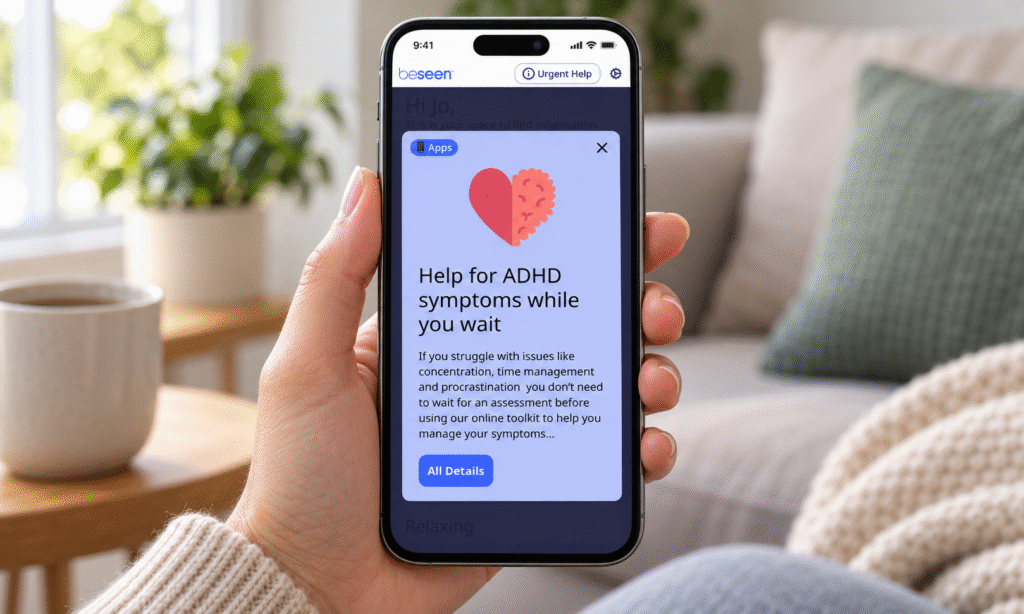
As part of Essex Partnership University NHS Foundation Trust’s wider programme of AI and digital transformation, this case study on redesigning the mental health front door examines how Psyomics’ beseen™ platform is helping to redesign the “front door” to mental health services. Featured within Curia’s From Insight to Action report, the case study reflects the work undertaken through EPUT’s Digital Conference and patient-led sprint sessions, which explored how digital tools, better data and service redesign could support earlier intervention, reduce administrative burden and create more joined-up care.
Psyomics provides a practical example of how structured digital assessment can improve triage, give clinicians richer information earlier and reduce the need for patients to repeatedly explain their circumstances, while also highlighting the challenges of moving innovation beyond pilots and into routine NHS practice.
This article was sponsored by UK Healthcare and Life Sciences Innovation (UKHLSI) member Psyomics.
To find out more about Psyomics, visit: www.psyomics.com

Mental health services face a familiar challenge: people often enter the system through overstretched access points, with inconsistent referral information, repeated assessments, and significant administrative pressure on clinicians. Psyomics’ beseen™ platform offers one example of how digital technology can support a more structured, patient-informed and data-driven approach at the start of the care pathway.
beseen™ is a platform built with clinicians and users to capture rich biopsychosocial information directly from patients and generate structured reports to support clinical productivity. It is designed to sit at the “front door” of mental health services, supporting intake, triage and assessment by helping clinicians understand a person’s needs earlier and more consistently. The NHS Innovation Accelerator describes the platform as a digital tool for adult secondary care community mental health services, using a biopsychosocial model to capture self-reported information in a structured way to inform assessment, level of need and symptom profile.
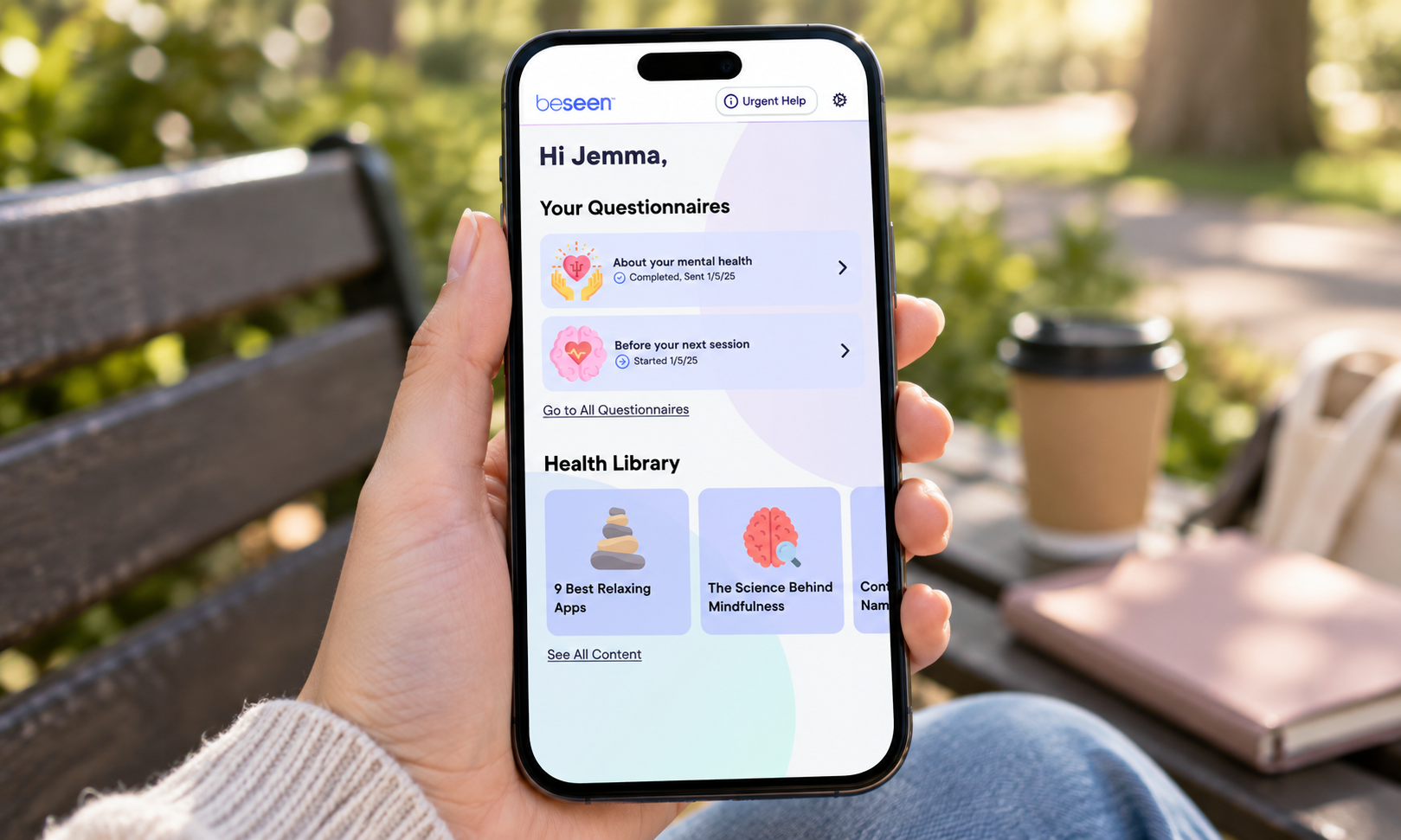
The platform aligns closely with the key theme of Essex Partnership University NHS Foundation Trust’s digital conference – moving from reactive to proactive care. Rather than waiting until a full clinical assessment to gather a more complete picture, beseen™ enables patients to share information in advance about what they are experiencing, why they are seeking help and the wider circumstances affecting their mental health. Sussex Partnership NHS Foundation Trust has called it as a secure online questionnaire offered to adults referred to Neighbourhood Mental Health Teams, enabling people to explain their situation in their own words before assessment.
This is particularly important in mental health, where context matters. Symptoms alone rarely tell the whole story. Social circumstances, personal history, risk, functioning and patient priorities all shape the right response. By turning this information into a structured report, the platform can support more informed triage and reduce the need for patients to repeat their story multiple times across different professionals or services.
Psyomics also demonstrates the importance of reducing administrative burden. Mental health clinicians spend significant time gathering, processing and documenting information before care decisions can be made. Digital assessment tools can help standardise information capture and make it easier for clinicians to review patient-reported information before appointments. For services facing high demand, this has the potential to improve flow, support consistency and free up more time for direct clinical work.
Overcoming adoption challenge by redesigning the mental health front door
Dr Melinda Rees, Chief Executive of Psyomics, highlighted the wider adoption challenge during EPUT’s Digital Conference. She explained that Psyomics had calculated it needed more than 200 conversational touchpoints with an NHS mental health trust before procurement was seriously considered. She also said the platform is deployed at single points of access to mental health trusts, covering eight million adult lives, with an all-age backbone and newer children’s, neurodevelopmental and addictions versions.
Her comments underline a crucial lesson for digital mental health adoption: technology alone is not enough. Psyomics’ approach challenges short-term pilot culture. As Dr Rees put it, “We do not do pilots. We only do longer-term contracts.” Her argument was that clinician behaviour change, workflow redesign, patient engagement and measurable return on investment take time. A short pilot may show whether a tool functions, but it may not show whether it can become part of routine practice.
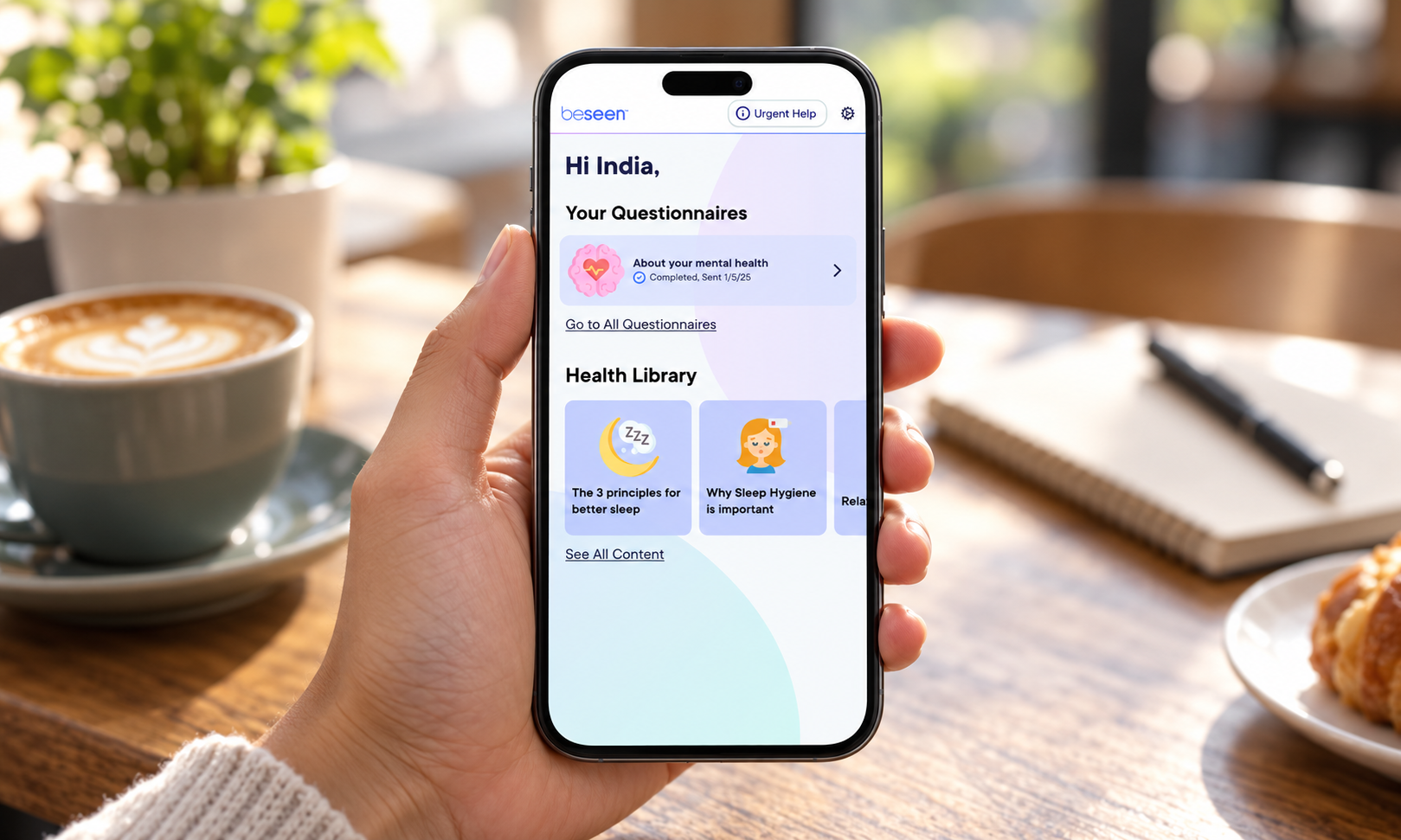
The platform also supports the theme of integrated, data-driven care. North London NHS Foundation Trust has described its partnership with Psyomics as a way to improve how residents access mental healthcare, with the platform capturing patient-reported information on symptoms, social and personal circumstances to inform the most appropriate care pathway. Sussex Partnership also notes that submitted reports can be accessed by staff through a secure link from the electronic patient record, helping connect patient input with existing clinical systems.
Patient experience is central to the case study. Digital assessment can give people more control over how and when they share information, including outside traditional appointment times. It can also support a more personalised first interaction with services, because clinicians begin with a clearer understanding of what matters to the patient.
Wider lessons
The wider lesson from Psyomics’ experiences in delivery is that successful digital transformation depends on implementation. Dr Rees described how Psyomics monitors patient and clinician engagement, identifies barriers to use and iterates the product using both qualitative and quantitative evaluation. Even small design changes, such as changing the colour of a widget, can affect engagement.
Psyomics therefore offers more than a case study in digital assessment. It shows how mental health services can redesign the front door around structured patient input, clinical productivity and longer-term adoption. Its experience also highlights what the NHS must get right: clear pathways, early procurement engagement, evidence generation, staff confidence and enough implementation time for technology to change practice.